

The technological excellence and sustainability of Bergi S.p.A
In the leather processing sector, technological excellence and sustainability are two fundamental pillars. Bergi S.p.A., a leading manufacturer of leather processing machinery, has been able to combine these two aspects thanks to an innovative process of reconditioning its used machinery. An approach that not only extends the useful life of the equipment, but also helps to significantly reduce the environmental impact of the entire industry.
The reconditioning process: up to 80% recovery
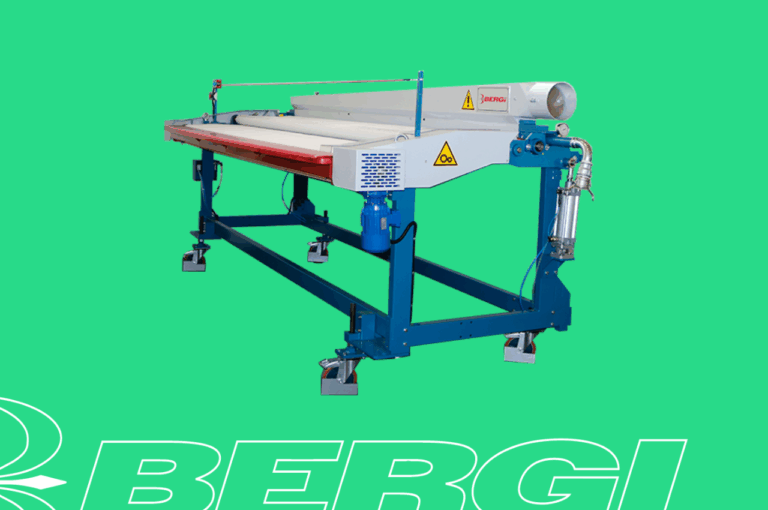
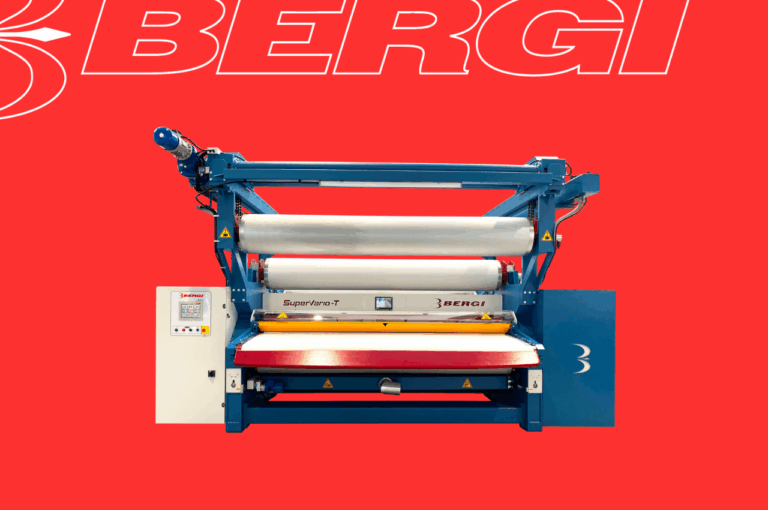
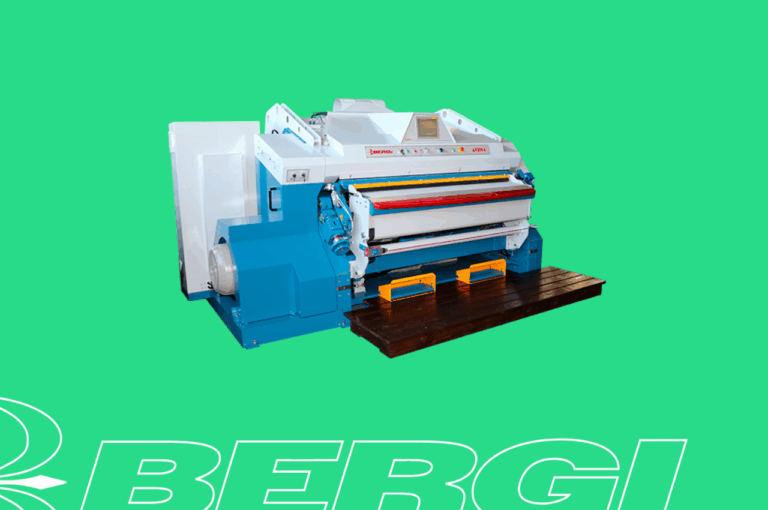
One of the distinctive elements of the process adopted by Bergi is the focus on the recovery and the reconditioning of used machinery. Machines are dismantled, inspected and restored to a state of full efficiency, with a material recovery rate of up to 75-80%, depending on the type of machinery. This represents an extremely high percentage, which proves the original build quality of Bergi products.
The main components, such as supporting structures and mechanical parts, are completely recovered. Only elements subject to normal wear, such as ball bearings, wool felts and seals, are replaced. This approach guarantees not only an extraordinary longevity, but also a significant reduction in industrial waste.
Machines that last for decades
The robustness and reliability of Bergi’s machines are renowned the world over, and it is not uncommon to find them in operation after 40 years, an achievement reached thanks to the highest level of design and ongoing technical support. Through the reconditioning process, a used Bergi machine returns to operating as if it were new, with 100% of its original performance.
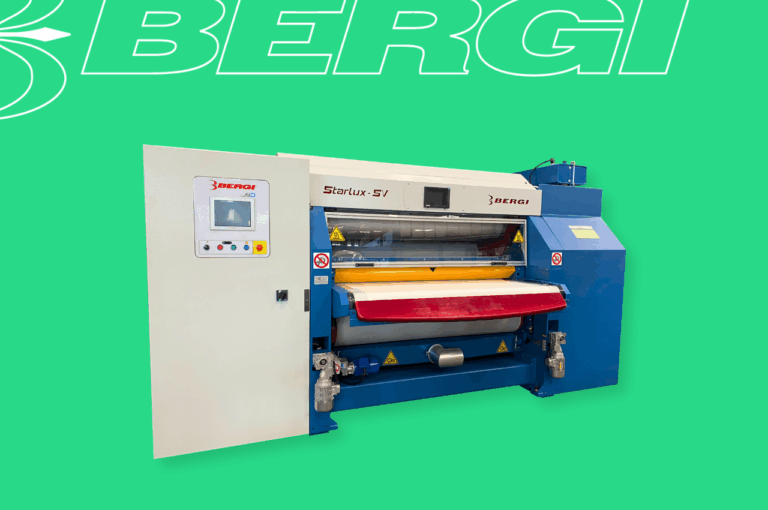
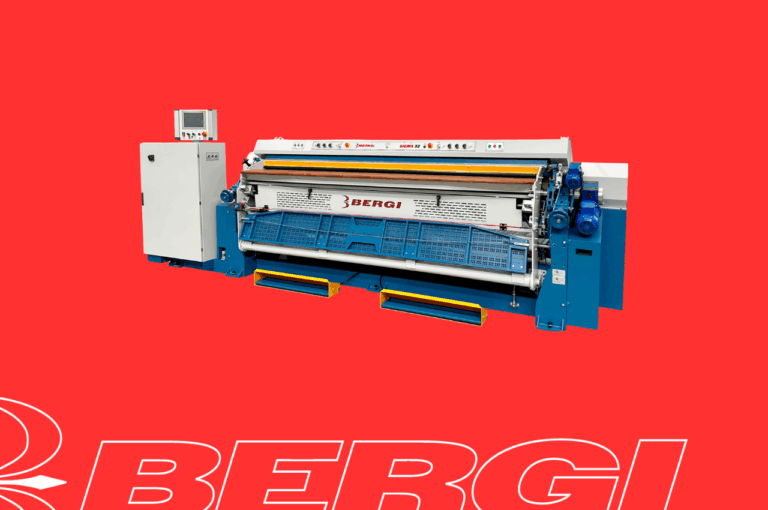
Visually, the result is equally stunning: a reconditioned machine is often indistinguishable from one that has just left the factory. This level of quality is the result of great attention to detail during each stage of reconditioning.
A model of environmental sustainability
Bergi S.p.A.’s commitment to reconditioning machinery is not only an example of industrial efficiency, but also a conscious choice in terms of sustainability. By reducing the need for new production and maximising the life cycle of machinery, the company limits CO2 emissions and the consumption of natural resources.
This approach fits perfectly into the philosophy of the circular economy, promoting a model in which the value of assets is preserved over time and waste is minimised.
Conclusions
Bergi S.p.A. represents a virtuous example of how a company can combine technological innovation and respect for the environment. Thanks to its advanced reconditioning process, the company not only extends the life of its machinery, but contributes to a more sustainable future for the entire industry.
Buying reconditioned Bergi machinery means choosing a product that combines high performance, durability and reduced environmental impact, a winning combination for those who look to the future with responsibility and vision.